-
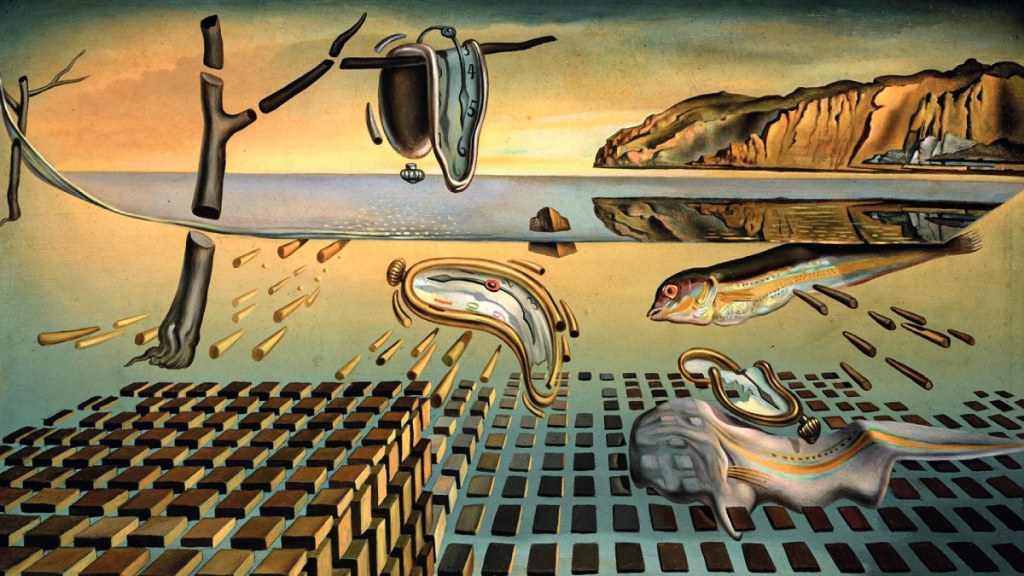
I have always been interested in engineering, particularly computer science. The reason is that I love problem-solving! Untangling a messy, convoluted chaos into at least a visible line gives me satisfaction. I also enjoy building things for people. Unsurprisingly, as a high school student, my dream was to attend the Bandung Institute of Technology (ITB),…
-
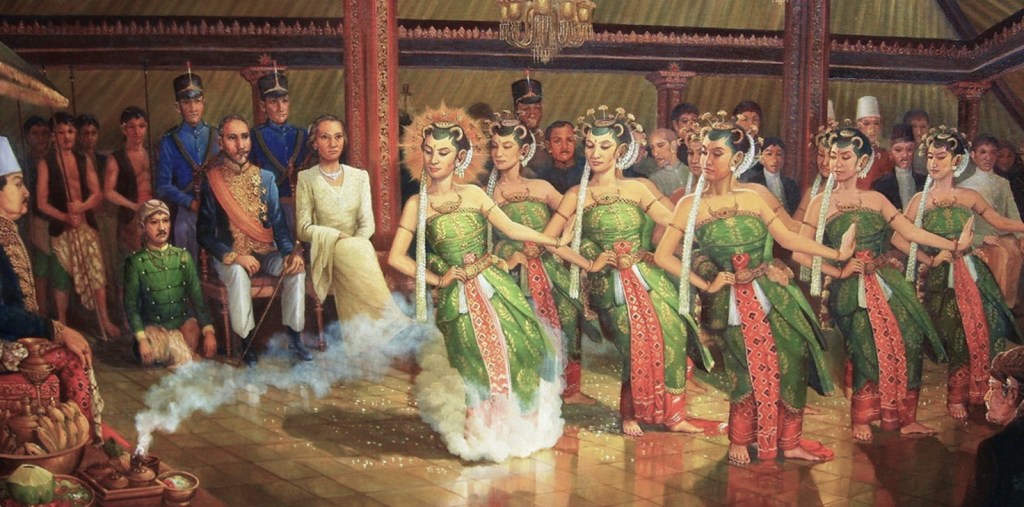
Is he a ghost, or is he a hallucination? That was the question I woke up with after the dream. In it, I met a noble man I did not recognise but somehow knew: eyang, my ancestor. He spoke calmly, without urgency, telling me to reconnect with my Majapahit lineage and, more importantly, not to…
-
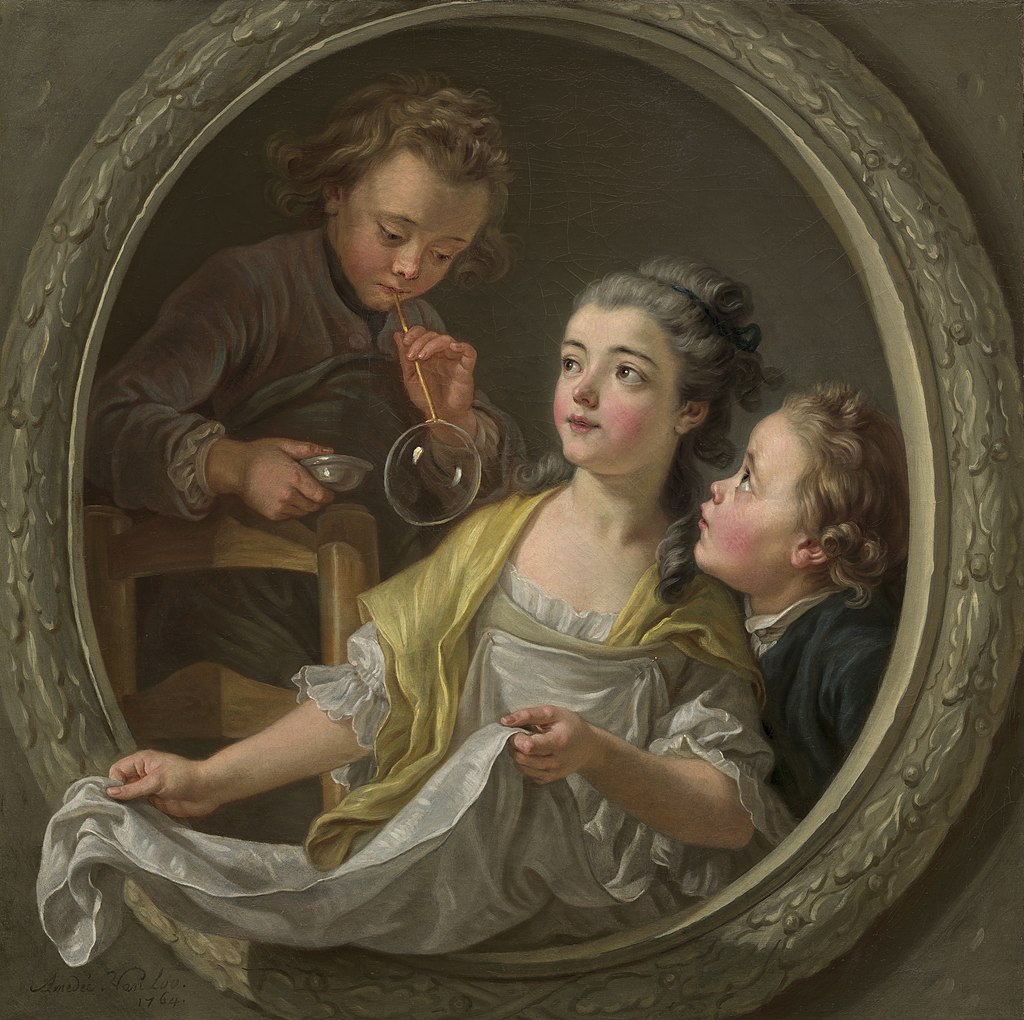
This project is the special prize winner of the “Keep the Future Human” creative contest by The Future of Life Institute (FOL). It is awarded the “best social media content,” receiving a $2500 prize. Below are the carousel posts and the written submission. Chapter 1: What was AI made for? Chapter 2: When did AI…
-

The rise of Generative AI presents a dilemma due to the public’s pragmatic acceptance of AI-generated design works (M=5.33, SD=1.89), alluding to the possibility of creative labour displacement. Grounded in Christensen’s Innovator’s Dilemma and Mori’s Uncanny Valley, this study examines how the Indonesian public perceives the ethical and utilitarian tensions of AI adoption. Using a…
-
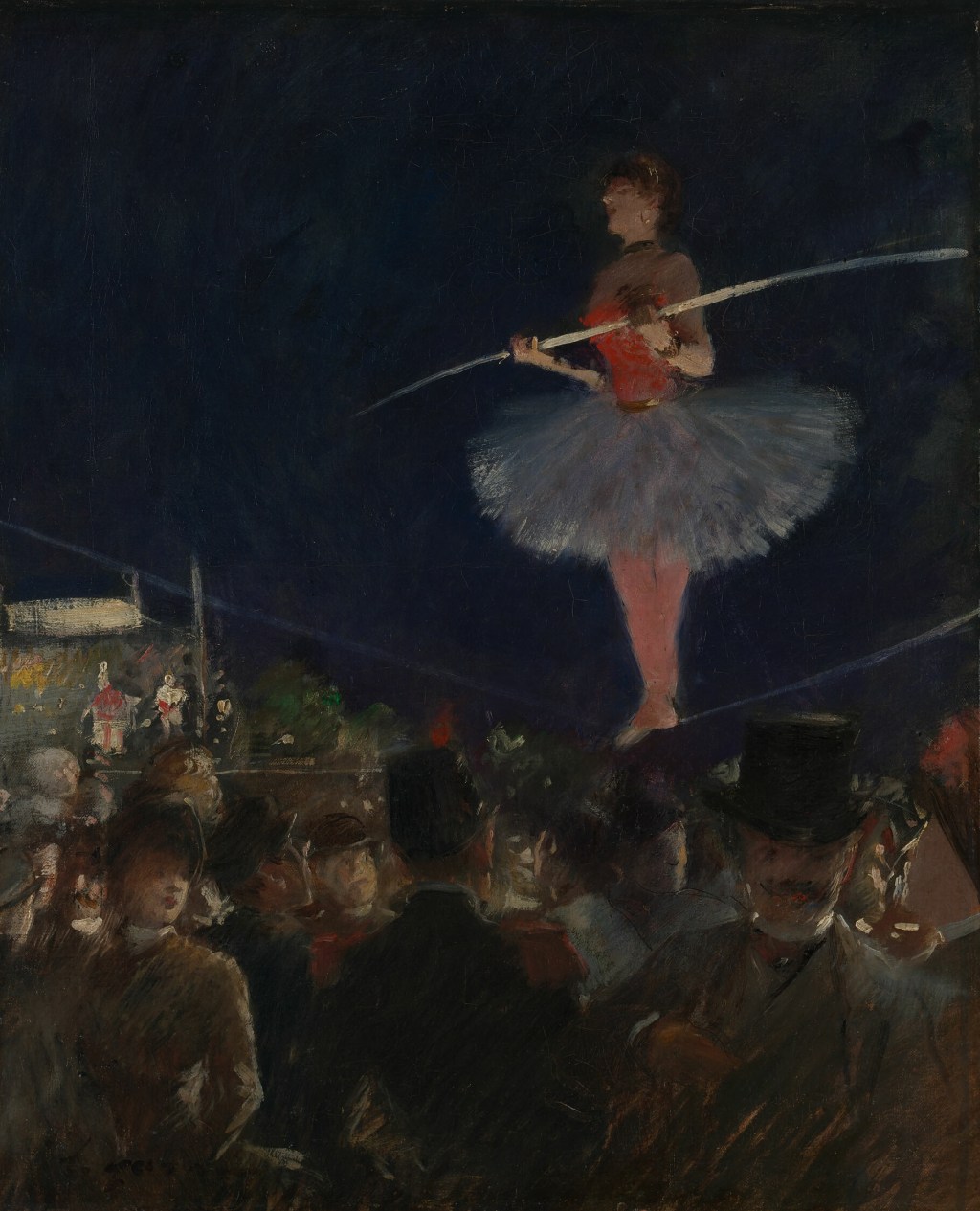
Are we still creative if our creative processes are increasingly invaded by machines? MIRAI (Measuring Integrity and Responsibility in AI Integration) is a research-creation project that explores how student creatively interact, engage, and experiment with Generative AI by unpacking how it influences their decisions, workflows, and sense of agency. Is it possible to assess AI…
-

The rapid integration of Generative Artificial Intelligence (GenAI) into the art world has sparked debates on its authenticity and creative value. This study investigates public perceptions of AI-generated art, focusing on changes in interest and interpretation before and after disclosure of GenAI’s involvement. Grounded in theories of generative art and kitsch, it examines how GenAI…
-
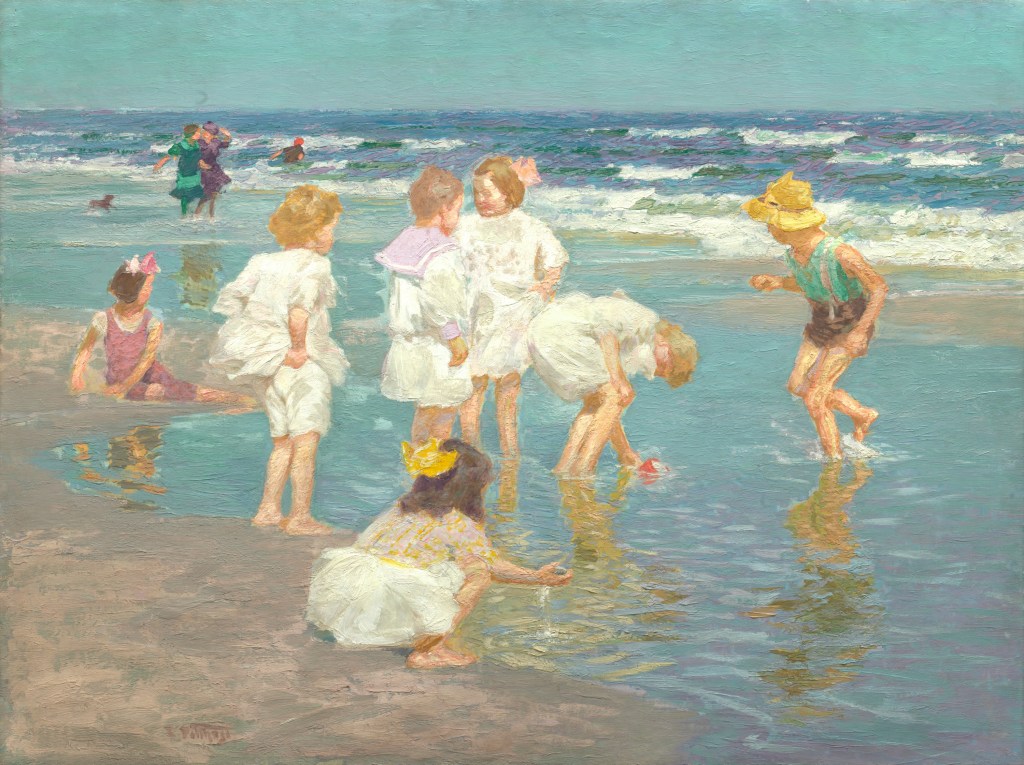
Indonesian students scored low on the 2022 PISA creative thinking test, yet the real problem may lie deeper than performance: it’s a fundamental misunderstanding of what creativity is. Too often equated with artistic talent, creativity is wrongly seen as a luxury skill reserved for artists and designers, rather than a cognitive capacity essential across all…
-

Generative AI is no longer just a tool. It’s becoming a creative force, raising unsettling questions about what it truly means to be an artist. As machines generate images, stories, and designs with increasing sophistication, the line between human and artificial creativity blurs. Can a machine possess intention, emotion, or artistic identity? And if not,…


 CREATIVE TECHNO-MORALITIES